“In many Muslim cultures, when you want to ask them how they’re doing, you ask: in Arabic, Kayf haal-ik? or, in Persian, Haal-e shomaa chetoreh? How is your haal?
What is this haal that you inquire about? It is the transient state of one’s heart. In reality, we ask, ‘How is your heart doing at this very moment, at this breath?’ When I ask, ‘How are you?’ that is really what I want to know.
I am not asking how many items are on your to-do list, nor asking how many items are in your inbox. I want to know how your heart is doing, at this very moment. Tell me. Tell me your heart is joyous, tell me your heart is aching, tell me your heart is sad, tell me your heart craves a human touch. Examine your own heart, explore your soul, and then tell me something about your heart and your soul.
Tell me you remember you are still a human being, not just a human doing. Tell me you’re more than just a machine, checking off items from your to-do list. Have that conversation, that glance, that touch. Be a healing conversation, one filled with grace and presence.
Put your hand on my arm, look me in the eye, and connect with me for one second. Tell me something about your heart and awaken my heart. Help me remember that I, too, am a full and complete human being, a human being who also craves a human touch.”
— Omid Safi, from The Disease of Being Busy
heartful distractions on my writing desk
My friend Sally, who I met last year walking the Via di Francesco, shared this post from our mutual friend, Omid Safi. I first “met” Omid when he was one of a cadre of regular bloggers/columnists posting in an early iteration of On Being. It was in the aftermath of 9-11 when tensions, animosities, and cultural misunderstandings were high, particularly in the US. What always touched me was how Omid, who is a professor of Asian and Middle Eastern Studies at Duke University, always wrote with an open-hearted clarity, generously giving space for multiple perspectives and opinions, all the while sharing his culture by way of story. In my experience of Omid, his writing and online presence are an embodiment of his love and reverence for his teacher, Rumi, founder of the Sufi order of whirling dervishes.
On a day when I read that over 40,000 lives have been lost to the conflict in Gaza, with thousands more unaccounted for, Omid’s message of heartful connection and healing conversation lands deep within my heart and soul.
Ours has been a virtual friendship. One day I hope to meet Omid in person, perhaps on one of his Illuminated Tours to Turkey or Morocco. One day I hope to put my hand on his arm, look him in the eye, tell him something about the state of my heart, and listen to him tell me about his. And together remember we are each and all human beings, craving human touch, connection, and peace.
LANGUAGE OF LIGHT Next to the garden beds I wait while summer’s profusion wanes
the sycamores stand in unity rows guarding a path for the recently dead
arboreal complexion of limbs and trunk sentient camouflage in pale olive and tan
trees older than first-born stars leaves shimmering in the language of light.
Diana Hayes, Language of Light, 2023
I’ve started my preparation for another autumn long walk in Italy. This time, a small women’s group walking a small portion of the ancient Via Francigena from San Miniato, Tuscany to Rome. No doubt obvious to you who follow me here and on social media, I am smitten with Italy, and am borrowing a page from a once friend who said there was something about returning repeatedly to the same place, to venture deeper in.
I feel good going into this summer’s training. Last year’s foot injury has healed. So, too, my heart – mostly – from Annie’s year-ago passing. Following the same program developed by my friend, I’m starting a month earlier and so feel an ease and confidence I didn’t last summer. Every other day, alternating with pickleball, and a rest day, my chiropractor approves.
Today it rained. I opted for a slow start hoping for the forecasted three-hour break in the showers. Eventually I decided to dress for the weather and set out with my new floral knee-length rain poncho. I “ruck,” meaning when I walk, I carry at least ten pounds of weight in my pack, use my poles and wear my hiking boots, and made of today an experiment in waterproofing and breathability. Better to test here than thousands of miles and another continent away.
Last year, my friend accompanied me on many walks. This year, plagued by her own chronic foot injury, I’ll be walking alone most days. And I’m quite OK with that, given my proven way, even in groups, ofoften walking solo, in silence, with my camera ever ready. And so it was, Tuesday and today (Thursday), I resumed my lapsed practice of listening to podcasts. SeveralOn Being with Krista Tippett episodes, the last one featuring a conversation with poet, essayist, teacher, and community gardenerRoss Gay on The Insistence of Joy. His closing words struck deep:
Is sorrow the true wild? And if it is — and if we join them — your wild to mine — what’s that? For joining, too, is a kind of annihilation. What if we joined our sorrows, I’m saying. I’m saying: What if that is joy?
Step by step, mulling his concluding words, that powerful question, as light showers grew heavier, I switched over to another of my favourite podcasts, Ellipsis Thinking, created and hosted by my dear friend, Greg Dowler-Coltman. In this episode a conversation with Saltspring Island poet Diana Hayes, the author of today’s chosen poem. Greg had gifted me with Diana’s chapbook, Language of Light, an exquisite collection borne of her near inconsolable grief for her mother’s too-soon death from breast cancer, the same cancer she suffered at the same time. As I listened, struck again by Greg’s talent for deep listening and thoughtful questions emerging from his innate and kind curiosity, I felt a kindredness with Diana’s way of being in the world and as a poet.
Bittersweet is what comes to mind. Knowing oneself and another when we are vulnerable in disclosing and joining our sorrows. The poignant, piercing joy that can result when we do.
“I don’t think the common thread that runs through humanity is greed or power or these sorts of things. It is this binding agent of loss.”
Nick Cave in “Loss, Yearning. Transcendence,” On Being with Krista Tippett, November 22, 2023
I’m home a day having made my annual sojourn to see my parents and attend my mother-in-law’s funeral. A typical Niagara November where heavy clouds threatened rain and snow; a steely grey river whitecapped when wind blew against its current; bare limbed trees; ditches and gutters filled with bland brown leaves. Dreary, yet an apropos outer mirroring of a family’s inner experience, with a beauty found in the skies. Wistful.
On the day of the funeral, as I drove with my parents the twenty minutes up the highway towards the church, the arrival on the wind of a short-lived weather system brought blue sky, sun and bracing cold, felt especially as we stood at the cemetery for the internment.
It was a short visit wherein I recognized it’s the time in the cycle of a family’s life where we congregate more often for weddings, funerals, and the births of babies. Amidst this occasion of loss, I found moments of gladness in meeting a nephew’s bright-eyed baby, a niece’s toddler-princess daughter who endearingly acknowledged the absence of her tiara, and new young partnerings. I heard about career promotions and sudden job loss, and how one young couple is intent to choose work in service of humanity, and life balance. With family members bedecked in sweaters hand knitted by their mother-oma, a talent about which I read to the congregation from Sig’s in absentia tribute, yes, we were bound together by our loss.
Too, an unexpected and joyful reunion with a professional colleague last seen thirty years ago. He and his then wife “chummed” with Sig and me before they relocated to Niagara. Reading the obituary, he made the trip to offer support, much as we had given each other as recently graduated social workers navigating the complexities of outpatient psychiatry.
I’ve learned, albeit wistfully, to keep in mind the adage attributed to Ben Franklin when visiting my family. With work schedules and weekend commitments, I saw only my nephew, appreciating his brief visit, acknowledging his life’s fullness as he makes his way as husband, father of two boys, field supervisor with Hydro One, and part-time farmer. My niece and her family, with a young daughter I’ve yet to meet (hampered by covid) has an equally full plate compounded by her husband’s chronic health condition. My sister, now living in the states, knew even before the closure of all border bridges due to an explosion (terrorism ruled out) the challenge of crossing during American Thanksgiving weekend, took a pass. This time, sitting quietly – at the funeral in the church pew with my parents, and in their home, each of us reading on our devices, watching a Netflix series or a Saturday morning soccer game – marked episodically with conversation, missing Sig’s presence, I wondered how many more times I’d be making these abbreviated journeys.
“Our lives are defined by that love, that joy, that laughter, but also by anxiety, fear, despair. And somewhere between those is, I think, a responsibility: recognizing the truth of our past and all that has preceded us, not in a way that’s meant to paralyze us or overwhelm us or trap us in a sense of despair, but in a way that is meant to help us recognize and remember our own agency.”
Clint Smith in “What We Know in the ‘Marrow of our Bones'”, On Being with Krista Tippett, November 2, 2023
It’s early Sunday night and I’m sitting in my usual space for writing. Hot cup of tea to the side. My radio station playing low in the background. The space heater blowing warm, taking off the foreboding chill. Last week I read that here in Edmonton we were having the longest run of October +20 C degree days since 1944, and today tied the record for the latest first frost. But this weekend, winter made its arrival in other parts of the province and I know it’s simply a matter of time. The wheel turns…
It’s been nearly three months since my last post, one wherein I’d announced the need for a pause…to settle into my breath, body and bones after my month long Camino, to prepare for traveling to Italy with my husband, to re-centre to purpose. Since returning from Spain in early June, I’ve had the felt sense of standing yet again on a cusp. It was an atypical summer, late in coming, the hottest August on record giving us warm, sultry, bug free evenings, and one of illness: my lengthy recovery from Covid; then my husband developing a viral infection – non Covid but with a similar symptom pattern leaving him fatigued and coughing for weeks; and I succumbing to the same a few weeks later. Our Annie dog sustained sprains and pulled muscles. My elderly father’s ever robust and vital presence began to dim.
“I’ve lost my edge,” is how my husband put it, and for the first time I saw glimpses of a wavering frailty that comes with aging. While we’ve both recovered, and are feeling well having enjoyed our unstructured time sauntering in Rome, and then touring the exquisite landscapes of Puglia (albeit in overcast skies and rain), there’s the indelible realization we have entered a new life stage. Grief with facing the endings of ways of living and being, we are staring – starkly, undeniably -at our mortality and that of those we love and cherish.
In readying myself to write tonight and to return to it as my vocation, I spent a couple of hours today catching up on the myriad of e-newsletters in my inbox, a cursory glance telling me they held a pearl or several. Below are some of the more salient bits holding my attention:
“I have this belief that an internal monoculture of peace and clarity and smooth sailing is what normal people experience, so it’s what I should experience. And if I don’t feel peaceful and clear and focused, then there’s something that needs fixing inside me… I want to reframe messiness as holy. I want to slide down and immerse myself in the murky waters of my messy heart.”
Barb Morris, “a messy mind is a healthy mind,” e-letter, September 29, 2022
“I’m curious to know if you have a line you repeat to yourself when you’re trying to sink into that necessary solitude that is at the heart of every human relationship: the relationship of yourself to yourself.”
Padraig O’Tuama, “the solitude at the heart of human relationship,” Poetry Unbound Newsletter, October 2, 2022
“We reach for hope as the antidote to despair, but actually hope is the cause of despair. The problem with hope is that it’s bipolar. Every time we rely on hope, we always bring in fear. Buddhist wisdom teaches that hope and fear are two sides of the same dynamic.”
Margaret Wheatley, “We Have to Talk About Hope,” October 19, 2022
“The rhythms of the seasons play a significant role in my own discernment. Honoring the flowering of spring and the fruitfulness of summer, alongside the release of autumn and the stillness of winter, cultivates a way of being in the world that feels deeply reverential of my body and soul’s own natural cycles. We live in a culture that glorifies spring and summer energies, but autumn and winter are just as essential for rhythms of release, rest, and incubation. When we allow the soul’s slow ripening, we honor that we need to come into the fullness of our own sweetness before we pluck the fruit. This takes time and patience.”
Christine Valters Paintner, Love Notes, Abbey of the Arts newsletter, October 22, 2022
My synthesis, in poem…
the necessary solitude that is my messy heart and mind that I sink into as an antidote to the bipolarity of hope and fear
seasons’ rhythms a discernment where now autumn’s release and soon winter’s stillness allow my soul’s ripening
I took time and patience the needed pause to recover and reveal life’s holy starkly beautiful truths
Much love and kindest regards, dear friends. It’s good to be back.
“It’s a piece of deep psychological acuity, carried in many religious traditions: that each of us is defined as much by who our enemies are and how we treat them as by whom and what we love.”
Krista Tippett, On Being, October 31, 2013
Fitting food for thought as we, the world, contemplate the current circumstances unfolding in Ukraine. A simplistic response to vilify the invaders and yet…
We see Russians courageously take to their streets and squares in protest. We read of notables resigning from posts refusing payment from their government. We know people who know people, Russians whose roots run deep and like us all, whose hearts bleed red.
Today I watched an English subtitled speech given on Friday by Ukraine’s president to Russia’s people. Clarifying misinformation, stating his position and boundaries on behalf of his country’s people, imploring Russians to remember themselves and their relationships with the people of Ukraine. Fiercely compassionate is what comes to mind.
Over the past few days, scrolling social media and participating in online seminars, I’ve been struck with the extent to which we are calling forth the balm found in poetry and prayer, in the arts, dance and song. Evoking the highest good in us, for us all. With poetic irony and prescience, this published in 2009 by Ilya Kaminsky, a poet born in Odessa, Ukraine, now living in the United States after being granted asylum with his family:
We Lived Happily during the War
And when they bombed other people’s houses, we
protested but not enough, we opposed them but not
enough. I was in my bed, around my bed America
was falling: invisible house by invisible house by invisible house—
I took a chair outside and watched the sun.
In the sixth month of a disastrous reign in the house of money
in the street of money in the city of money in the country of money, our great country of money, we (forgive us)
lived happily during the war.
Let us hold the centre, dear friends. Present with what is unfolding. Poised amidst conflict within and without. Persistent in remembering the best in who we are.
Let us take note of the ever-present beauty around us. Remain open to the mystery in the mundane. Tenacious in our tenderness. Committed in our care.
Living our lives as poem and prayer.
“Do you think it’s an accident that you were born at a time when the culture that gave you life is failing? I don’t think it is. I think you were born of necessity with your particular abilities, with your particular fears, with your particular heartaches and concerns… I think if we wait to be really compelled by something… something big, well… we’re going to wait an awful long time and I don’t know if the state of our world can tolerate our holding out until we feel utterly compelled by something. I think it’s more like this, that we have to proceed now as if we’re utterly needed given the circumstances. That takes almost something bordering on bravado, it could be mistaken for megalomania easily, though I don’t think it is. It had a certain amount of nerviness in it or boldness for sure, something that’s not highly thought of in the culture I was born into unless you’re a star or something… regular people aren’t supposed to have those qualities. I say they are of course. That’s what we’ve got to bring to the challenges at hand, not waiting to be convinced that we’re needed but proceeding as if we are. Your insignificance has been horribly overstated.”
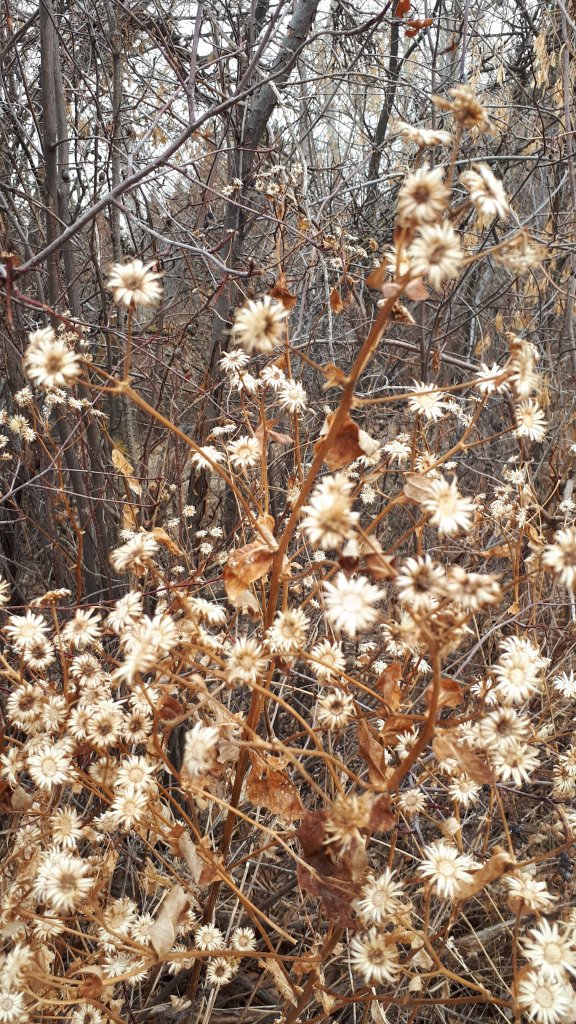
“re-wintering” – what caught my eye as Annie and I walked this week
Every other week I circle up virtually with some dear woman friends. It’s been a way to feel connection and offer support to each other during these continued covid times. We begin, as is our way, following The Circle Way practice, with a reading of some kind to help us land and settle in with each other and ourselves. A bell rung once, twice and we begin to check in with each other, often in response to what has been evoked by the reading, or by whatever is personally stirring and needing to be spoken aloud to the centre.
Last week I as I walked past my bookshelves to fetch my bells, grabbed by the title on the spine, I grabbed “The Wild In You: Voices from the Forest and the Sea” (2015) by Canadian poet, Lorna Crozier. (Lovely synchronicity in that as I’m sitting here tapping away, in the background I hear The Road Home’s Bob Chelmick read from Lorna’s 2018 volume, The God of Shadows.) A beautiful compilation of poetry and Ian McAllister’s photography, I quickly flipped through the pages, arriving at “A Winter’s Sleep,” companioned by a magnificent wolf sleeping on the seaside sand.
A Winter’s Sleep
So much sleeping in this place. Think of all that lies beneath the snow, lake trout below the ice, bears in their dens, their warm snores drifting above the treetops that are sleeping, too, high above your own long sleep.
Even raven, with so much to say and do, closes his eyes, tucks his beak under his wing and sinks into the season’s dream-rich dark where all his stories start.
Lorna Crozier, 2018
As is our way, we meander in a conversation punctuated that evening by long pauses and the shared recognition of how fatigue, grief and the need for Nature’s stillness were embroidering our days of late. One shared another poem, another mentioned a book, Wintering, the title of which evoked a memory that I’d written about it. When I read aloud from the post I’d written last February, I knew it was an idea worth repeating here. That even though my interior state has shifted from what I described then, today, as the winds blew a constant icy cold, the temperature plummeted, and too, the hours of daylight here on the Canadian prairies, it is wintering.
WINTERING, originally posted February 1, 2021
“Dashed and disheartened – again,” I emailed a friend. What with last week’s winds having blown in Arctic cold temperatures and flat light skies, reading up on my country’s vaccination rollout debacle and delays, virus variants that are proving to be highly contagious and perhaps more deadly than the original, and a speculated move to mandated mask wearing outside, this might be an understatement. Certainly enough to have been stalled again in writing here, having missed two of my usual Monday postings. Plumbing a bit deeper, what with my husband having celebrated his first “Covid” birthday two weeks ago, we realized with age, and life as we’ve known it “on hold,” we’re feeling quite wistful. Most apparent for me is missing traveling and all that it gives me, more fully appreciated now in its absence. I’m resigned to the probability that this will be another year, and most likely then some, of staying put. Too, the whisper of a question held this past year, “Will I – we – ever travel again as in the past?”
A few days ago, somewhat warmer with soft snowflakes fluttering down, Annie and I walked, she happy for her full-length coat, and NOT having to wear her fleece boots. I plugged into a recent On Being podcast, curious having read Krista’s weekend letter:
“Katherine May, in her book, Wintering – The Power of Rest and Retreat in Difficult Times (2020), meditatively explores ‘wintering’ as a season of the natural world but also as a place our bodies and psyches need to go, a season that recurs again and again across a life. We cheat and dismiss this in life as we’ve been living it, but it has presented itself insistently in a pandemic year we might reimagine as one long communal wintering.
We can’t move forward without grieving all we’ve lost in the past year. Closer to the ground, this means we have to let in the fact of sadness — a precursor to pain and fear — with some reverence. If happiness is a skill, Katherine May says, so is unhappiness. Winter embodies the strange complexity of reality. It is the bitterest season, we blithely say. And all the while it manages not to be the death of the life cycle, as Katherine May reminds, but its crucible.”
Krista Tippet, The Pause, January 23, 2021
Wintering.
That would be the odd place in which I found myself last spring and summer. Whereas I’d used the words “fallow” and “lost”, as I listened to Katherine May, I recognized in her words a fuller, more accurate description of those several months lying cold and low, when all around me blushed and blossomed.
“…wintering is a metaphor for those phases in our life when we feel frozen out or unable to make the next step, and that that can come at any time, in any season, in any weather; that it has nothing to do with the physical cold…”
Katherine May, On Being podcast, January 21, 2021
Not bound to season as we know it, but a necessary and recurrent place to drop into when we appreciate the cyclical nature of our lives. Thinking back, during an actual winter fifteen years ago, I dropped into depression. Not major, but enough that I and others noticed I was not myself. Little energy and enthusiasm, waning concentration, major exertions of effort to get through a day of work and home chores. Enough that once on the other side that spring, I’d mentioned it to my family doctor, and upon closer examination, recognized its cyclical nature. Perhaps a bit of seasonal affective disorder with some inherited family predisposition towards the winter “blahs.” Never since as severe, though I have a letter I wrote to myself then, upon the suggestion of my doctor, “to be opened in the dark days, to remember.” I’ve never needed to, though I know it’s perched on my desk amidst a collection of mementos. And that brings reassurance enough.
“Plants and animals don’t fight the winter; they don’t pretend it’s not happening and attempt to carry on living the same lives they lived in the summer. They prepare. They adapt. They perform extraordinary acts of metamorphosis to get them through. Wintering is a time of withdrawing from the world, maximizing scant resources, carrying out acts of brutal efficiency and vanishing from sight; but that’s where the transformation occurs. Winter is not the death of the life cycle, but its crucible.”
Katherine May, On Being podcast, January 21, 2021
I wonder if because we are mostly acculturated out of such natural rhythms and rituals, those embedded deep within our DNA and beneath our consciousness, we find ourselves in “winter” out of season? That if we heeded Nature’s signs and stirrings, we’d ready ourselves, with each other, for wintering’s alchemical invitation. I feel a growing love and appreciation for winter, the season, since being unfettered by work’s imposed schedule, demands, and need for driving. And as many of us have felt during the pandemic, in lives slowed and diminished of obligation, its paradoxical gifts.
“It’s a time for reflection and recuperation, for slow replenishment, for putting your house in order. Doing these deeply unfashionable things — slowing down, letting your spare time expand, getting enough sleep, resting — is a radical act now, but it’s essential.”
Katherine May, On Being podcast, January 21, 2021
Recently I came upon these words from Toko-pa Turner’s book, Belonging: Remembering Ourselves Home. They echo the hidden transformative gifts in this crucible of winter and wintering:
“Like the bowl that has yet to be filled, there is an emptiness that precedes creativity that is alive with potential. With ordinary eyes, it’s easy to mistake this emptiness for stagnancy. We may think, “I have nothing of substance to offer! I have no original ideas!” But down at the invisible base of things, there is a holy dance taking place. Though we may want to run from the tension, the polarities are in constant motion, readying themselves into harmony. Far from dormant, this dance is the active receptivity that calls things into form. We are such a vessel. These times of nothingness are actually busy with living into a new capacity.
Originality comes when you stay close to that emptiness, making it a welcoming place, adorning it with your divine longing, learning the shape of it, and filling it with your questions. Every great artist I know is obsessed with a question, and their artworks are less attempts to answer that question than they are exaltations of asking. As Jean Cocteau says, ‘The poet doesn’t invent. He listens.'”
I listened last summer as I wintered, lost and fallow. I remembered it as a familiar season of my life and followed its nudges to find my way through. Walking with Annie. Reading and writing. Photography and painting. Making love notes to friends. Cooking and circling up with women friends. And now in the fullness of its season, I sleep longer, nap more, give myself permission to pause the writing until I feel stirred. I let myself feel, once again, dashed and disheartened, trusting them to be worthy of these times. And I wonder.
“I recognized winter. I saw it coming a mile off, since you ask, and I looked it in the eye. I greeted it and let it in. I had some tricks up my sleeve, you see. I’ve learned them the hard way. When I started to feel the drag of winter, I began to treat myself like a favored child, with kindness and love. I assumed my needs were reasonable and that my feelings were signals of something important. I kept myself well fed, and I made sure I was getting enough sleep. I took myself for walks in the fresh air and spent time doing things that soothed me. I asked myself, what is this winter all about? I asked myself, what change is coming?”
Katherine May, Wintering – The Power of Rest and Retreat in Difficult Times (2020)
Maybe I have been languishing a bit. It’s been a month since I last wrote here. While most Fridays I’ve managed to post my photo and poem features, sometimes offering a bit of explanation as to why this poem now, I haven’t had the jam to write much else on this platform.
I have been writing. A couple of pieces for EdmontonEats (that sweet official writing gig), magazine submissions, poetry contests, and an application to an online summer writing session where, if accepted, I want to learn what it means to be a writer and hone my skills. Cover letters, bio notes, project proposals. At times I feel daunted by the newness of it all, and too, with the solitary, at times lonely space in which I am crafting this new identity, word by word. And it comes.
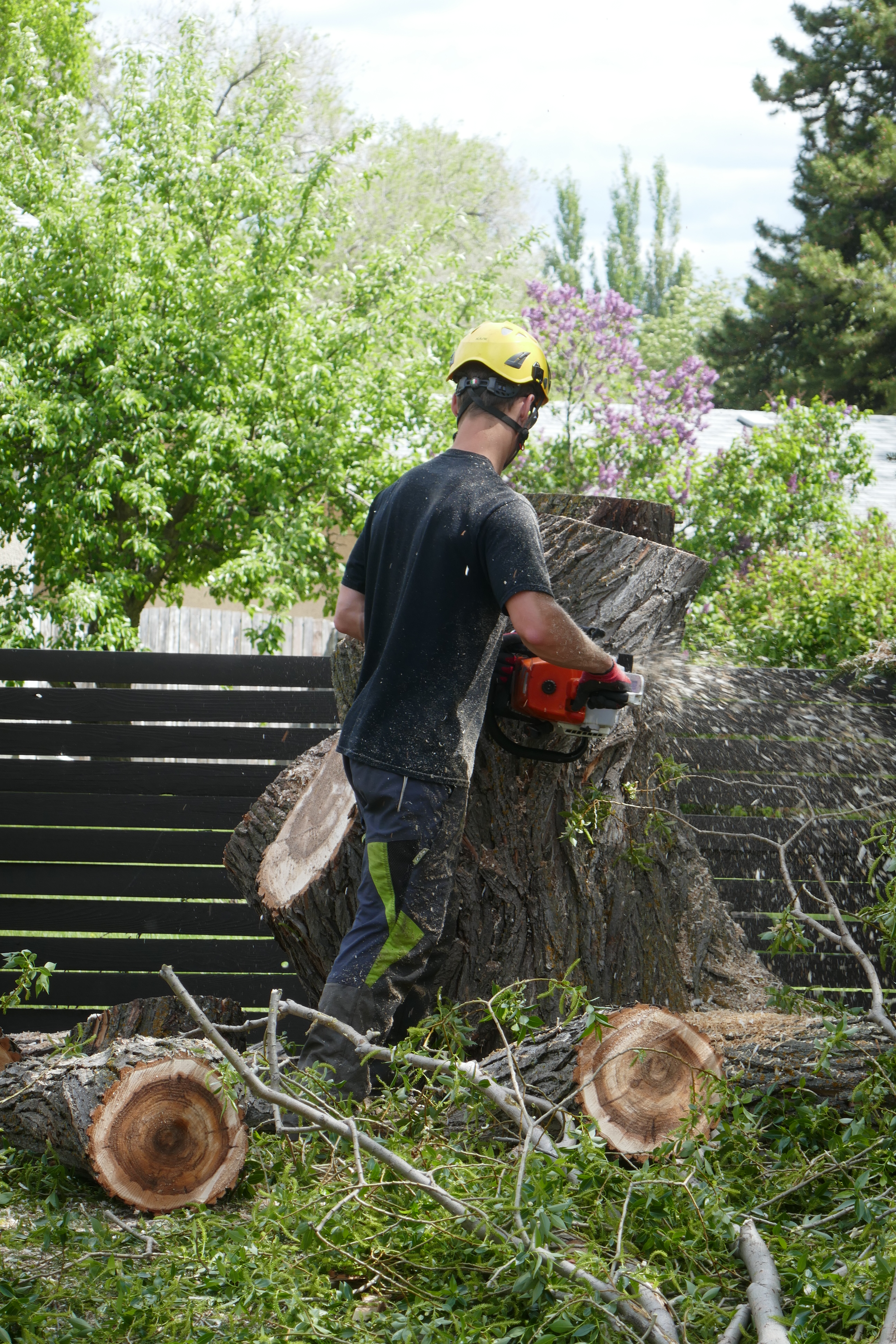
I thought about writing a piece describing last month’s felling of our Willow. I would have titled it “Beloved Willow Be Gone,” for in eight hours, with a three person crew of master arborists roping, climbing, cutting, grinding, and carrying, that magnificent fifty year old tree was no more. I now see too much of the backsides of garages, sheds and houses, and feel exposed unlike ever before during the near forty years we’ve lived here. But I do see an expanse of sky unlike I’ve ever seen, and we have more sun in the morning, making coffee on the deck a lovely start to the day. Winds have blown very strong many days since, and I am relieved not to wonder and worry would Willow finally give way, crashing into those garages, sheds and houses. Soon the stump will be ground and we’ll plant a new tree…a Mayday with its signature prairie spring perfume and white wedding bouquet blossoms…a quick growing canopy that will eventually begin to fill the still, stark void.
I simply didn’t have the gumption to write more than my “four word sad story” about the recent “discovery” of hundreds of unmarked indigenous children’s graves on the grounds of a residential school. The original reported number, 215, is now over 1000 after other grounds were explored, and is expected to rise significantly as all school sites across Canada are examined. My country’s dark secrets are literally being unearthed and coming to light. It is time, long overdue. I knew my words would be trite and so commit to listening, learning, and being open to being disturbed into wise and respectful action.
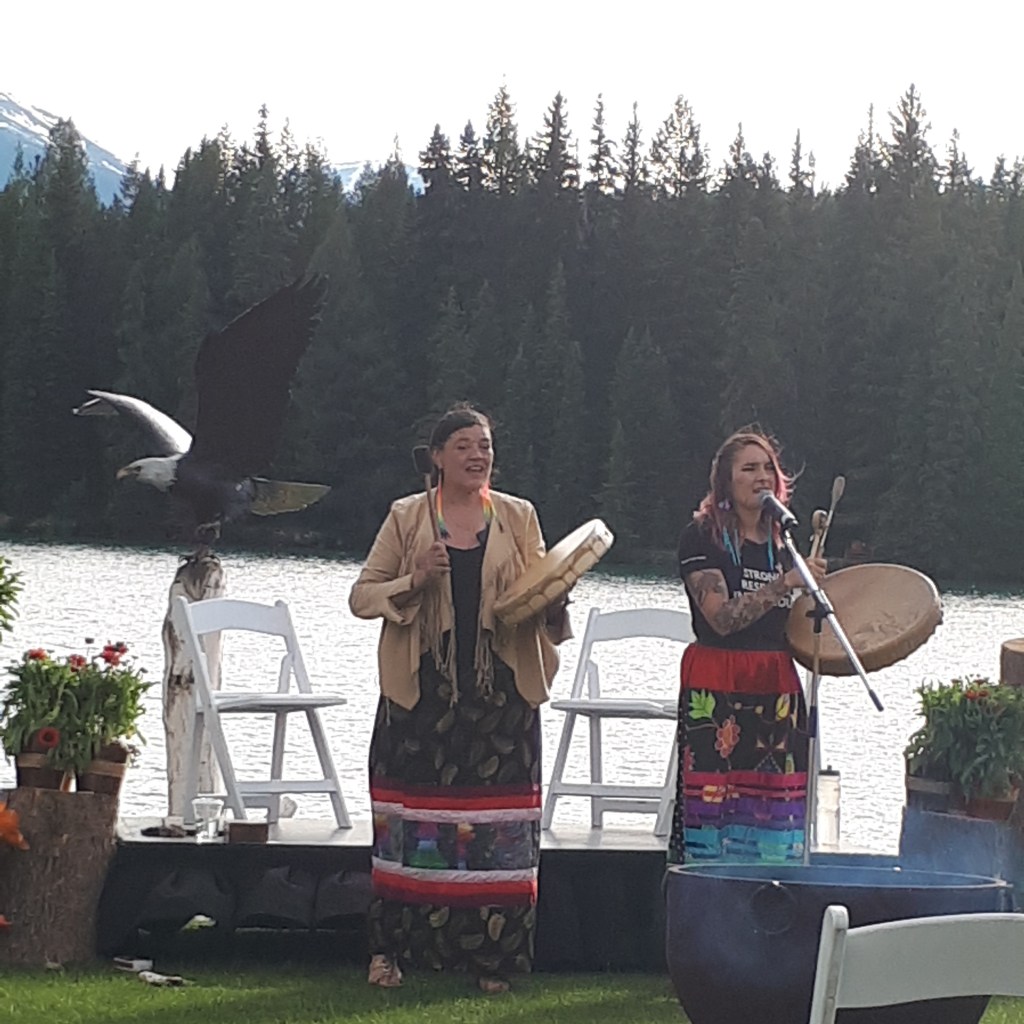
National Indigenous Day Celebrations, Jasper, Alberta
And then there’s the pandemic which, by the sounds of it, might become history next month, which is only a few days away. My province is intent to remove all safety measures come July 1st. Other provinces are following suit sooner than later. Vaccinations feel like a “get out of jail” pass. And while I’ve received both shots, I’m hesitant, skeptical even with this abrupt and arbitrary “end” while cities around the world are going back into lockdown as more virulent variants take hold.
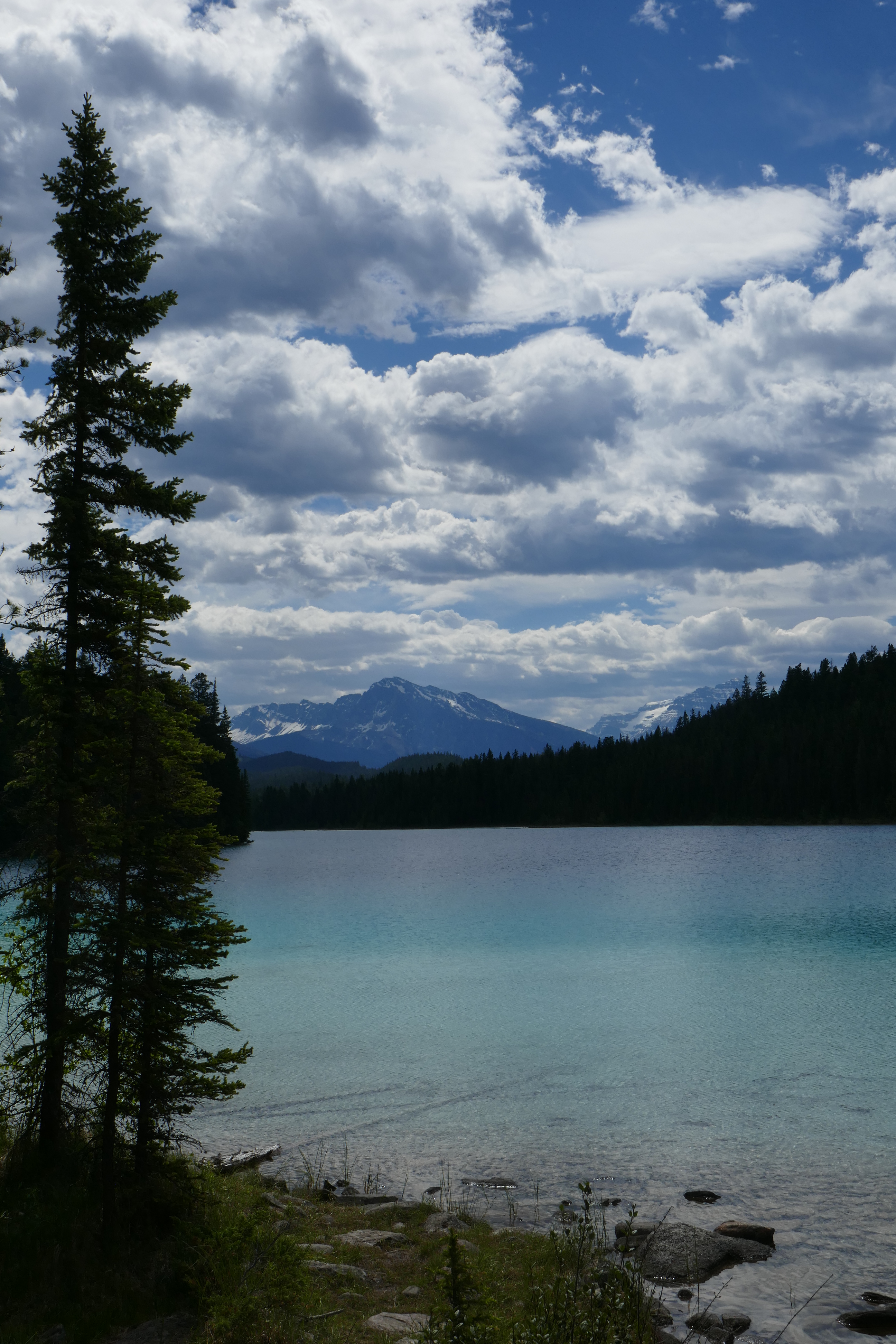
Last week we drove to the mountains for a few days. Our first trip since this all began last March. Sitting on the dock our first evening, a balmy summer solstice, I felt myself decompress with every sigh, releasing months of anxiety and uncertainty. I imagined Nature having a mighty big job ahead as she transmutes everything released by people letting go of all we’ve carried these many months. But I don’t think we’re out of the woods yet.
Every week I receive a wonderful letter, The Pause, written by poet Pádraig Ó Tuama, giving insight into the coming week’s On Being podcasts. This week, he describes the conversation Krista Tippett has with Joanna Macy and Anita Barrows about their new translation of Rilke’s Letters to a Young Poet. You know I’m a Padraig fan, quoting him here often. Once again, his words resonate and offer me a fitting conclusion to my meanderings today:
“The world — as it is envisaged in Rilke’s letters — is not a tame place. It is filled with pain and potential; joy and separation; war and wonder. These are not meant to be easy companions, and this is part of the marrow of the letters to a young poet: find a way to hold yourself while being in the world that is around you.”
I’ve been thinking about joy and lament for the past few days. How – as poet Christine Valters Paintner described them – as “sisters,” who make space for one another, even, I’d say, needing one another for a purer expression of each. I had logged onto a live Zoom call with Christine and a couple of hundred others from around the world for this year’s Novena for Times of Unravelling, another soulful offering from the Abbey of the Arts, this time oriented around the principles of their Monk’s Manifesto.
This day’s theme was cultivating creative joy by letting body and “heart overflow with the inexpressible delights of love.” Christine was clear to say this joy “isn’t about happiness, but something deeper…an opening to the capacity to taste paradise…and that this capacity for joy is in proportion to our capacity for grief.”
“we’re back“
A few days earlier, I sent a “thank you” email off to another favourite poet, Samantha Reynolds, who writes under the pen name of “bentlily.” I think I’ve mentioned here that every Monday I’m greeted with her past week’s offering of daily poems, her practice for eleven years of musing on life’s daily moments. Included that week was her “17 flavours of joy”, evoking my memory of the “visceral experience of joy hurting a bit, being like an arrow that pierces my heart…unlike happiness, which is lovely, but not nearly as deep, as profound, as indelible.”
Today, a full moon, and in the Christian tradition, Palm Sunday, the beginning of Holy Week. Too, the beginning of Jewish Passover. And in a couple of weeks, Ramadan. A “trifecta” of high holy days among the Abrahamic religions. I always intuit a certain potency of energy and possibility during such synchronicities. Maybe even a thinning of the veil. Certainly, an opening to the range of feelings and memories evoked. Life’s joys and laments.
Before I sat down here to write, Annie and I walked to beat the forecast spring thunder showers. Of all the choices, I plugged into the just “dropped” On Being re-broadcast of Krista’s 2016 conversation with Northern Irish “Troubles” poet, Michael Longley. Called “The Vitality of Ordinary Things,” they explored the range of Longley’s poetry – his adoration, celebration and worship of wildflowers, birds, his ordinary and real life.
“I want the beauty, the psychedelic wildflowers, the call of the wild birds. I want all of that shimmering beauty to illuminate the northern darkness. We have peace of a kind, but no cultural resolution — the tensions which produced the Troubles are still there. It is important for me to see beautiful Carrigskeewaun as part of the same island as Belfast.”
Michael Longley in On Being with Krista Tippett, March 25, 2021
I like how he describes what being a poet and writing poetry mean for him.
“…good art, good poems, is making people more human, making them more intelligent, making them more sensitive and emotionally pure than they might otherwise be.”
Michael Longley in On Being with Krista Tippett, March 25, 2021
For me, the capacity to hold joy and lament…in one’s life, in situ.
Krista Tippett: Somewhere you say that snow creates a “liminal space, a crossing point between the mundane and the magical.”
Katherine May: I think snow — what I love about snow is the way that it makes a clean break. It transforms the landscape. Everything’s different. Everything sounds different. The quality of light is different. The light kind of sparkles off it. You know, before you open your curtains, that snow has landed. And for me, I just think that’s such a gift. I know it’s less of a gift if it’s there for five or six months. But it’s a break in the routine. It’s a little bit like a kind of pause. You can’t go about your normal business. School chucks out. But you get to see your world in a different way. And it’s beautiful.
I grew up in quite an unbeautiful place, and snow used to make it beautiful. And I used to absolutely love that. And I now live in a very beautiful place, and snow makes it magical instead, when it comes.
On Being with Krista Tippett, January 21, 2021
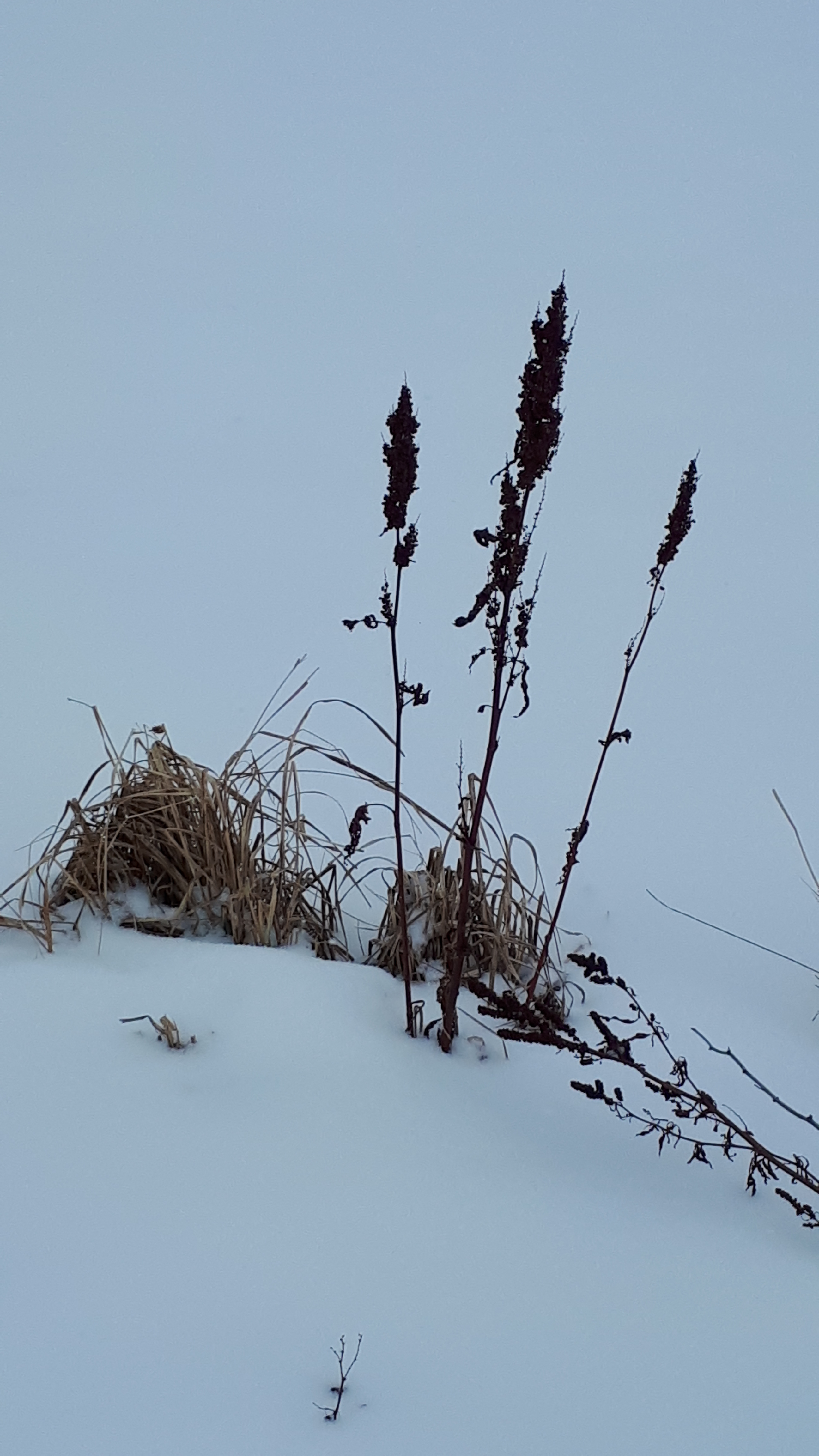
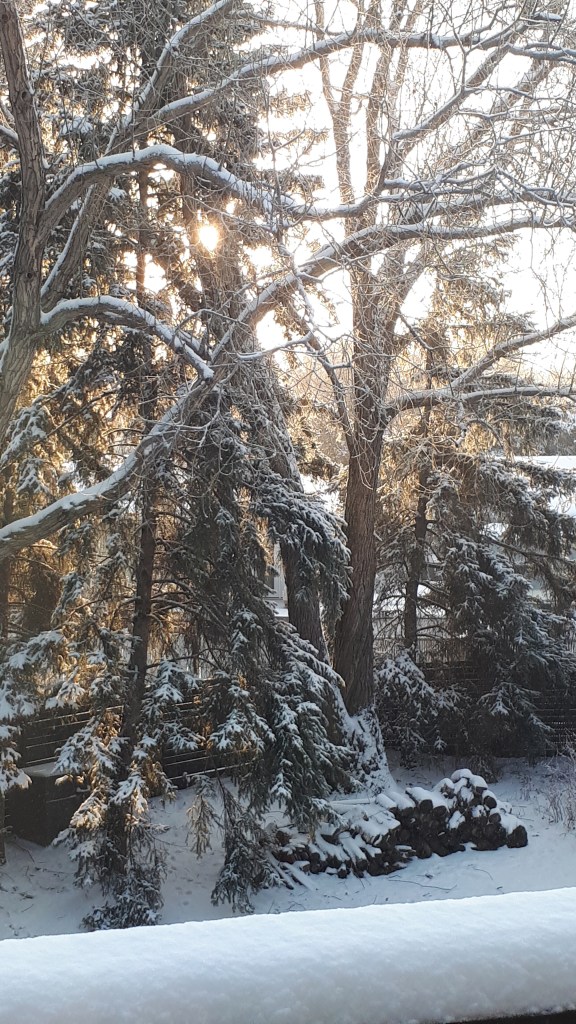
Inspired by their conversation for Monday’s blog on Wintering, and given the recent snow and its transformation of so much around me, I had to include Katherine’s poetic rendering here, as Friday’s photo and poem feature.
“Dashed and disheartened – again,” I emailed a friend. What with last week’s winds having blown in Arctic cold temperatures and flat light skies, reading up on my country’s vaccination rollout debacle and delays, virus variants that are proving to be highly contagious and perhaps more deadly than the original, and a speculated move to mandated mask wearing outside, this might be an understatement. Certainly enough to have been stalled again in writing here, having missed two of my usual Monday postings. Plumbing a bit deeper, what with my husband having celebrated his first “Covid” birthday two weeks ago, we realized with age, and life as we’ve known it “on hold,” we’re feeling quite wistful. Most apparent for me is missing traveling and all that it gives me, more fully appreciated now in its absence. I’m resigned to the probability that this will be another year, and most likely then some, of staying put. Too, the whisper of a question held this past year, “Will I – we – ever travel again as in the past?”
A few days ago, somewhat warmer with soft snowflakes fluttering down, Annie and I walked, she happy for her full-length coat, and NOT having to wear her fleece boots. I plugged into a recent On Being podcast, curious having read Krista’s weekend letter:
“Katherine May, in her book, Wintering – The Power of Rest and Retreat in Difficult Times (2020), meditatively explores ‘wintering’ as a season of the natural world but also as a place our bodies and psyches need to go, a season that recurs again and again across a life. We cheat and dismiss this in life as we’ve been living it, but it has presented itself insistently in a pandemic year we might reimagine as one long communal wintering.
We can’t move forward without grieving all we’ve lost in the past year. Closer to the ground, this means we have to let in the fact of sadness — a precursor to pain and fear — with some reverence. If happiness is a skill, Katherine May says, so is unhappiness. Winter embodies the strange complexity of reality. It is the bitterest season, we blithely say. And all the while it manages not to be the death of the life cycle, as Katherine May reminds, but its crucible.”
Krista Tippet, The Pause, January 23, 2021
Wintering.
That would be the odd place in which I found myself last spring and summer. Whereas I’d used the words “fallow” and “lost”, as I listened to Katherine May, I recognized in her words a fuller, more accurate description of those several months lying cold and low, when all around me blushed and blossomed.
“…wintering is a metaphor for those phases in our life when we feel frozen out or unable to make the next step, and that that can come at any time, in any season, in any weather; that it has nothing to do with the physical cold…”
Katherine May, On Being podcast, January 21, 2021
Not bound to season as we know it, but a necessary and recurrent place to drop into when we appreciate the cyclical nature of our lives. Thinking back, during an actual winter fifteen years ago, I dropped into depression. Not major, but enough that I and others noticed I was not myself. Little energy and enthusiasm, waning concentration, major exertions of effort to get through a day of work and home chores. Enough that once on the other side that spring, I’d mentioned it to my family doctor, and upon closer examination, recognized its cyclical nature. Perhaps a bit of seasonal affective disorder with some inherited family predisposition towards the winter “blahs.” Never since as severe, though I have a letter I wrote to myself then, upon the suggestion of my doctor, “to be opened in the dark days, to remember.” I’ve never needed to, though I know it’s perched on my desk amidst a collection of mementos. And that brings reassurance enough.
“Plants and animals don’t fight the winter; they don’t pretend it’s not happening and attempt to carry on living the same lives they lived in the summer. They prepare. They adapt. They perform extraordinary acts of metamorphosis to get them through. Wintering is a time of withdrawing from the world, maximizing scant resources, carrying out acts of brutal efficiency and vanishing from sight; but that’s where the transformation occurs. Winter is not the death of the life cycle, but its crucible.”
Katherine May, On Being podcast, January 21, 2021
I wonder if because we are mostly acculturated out of such natural rhythms and rituals, those embedded deep within our DNA and beneath our consciousness, we find ourselves in “winter” out of season? That if we heeded Nature’s signs and stirrings, we’d ready ourselves, with each other, for wintering’s alchemical invitation. I feel a growing love and appreciation for winter, the season, since being unfettered by work’s imposed schedule, demands, and need for driving. And as many of us have felt during the pandemic, in lives slowed and diminished of obligation, its paradoxical gifts.
“It’s a time for reflection and recuperation, for slow replenishment, for putting your house in order. Doing these deeply unfashionable things — slowing down, letting your spare time expand, getting enough sleep, resting — is a radical act now, but it’s essential.”
Katherine May, On Being podcast, January 21, 2021
Recently I came upon these words from Toko-pa Turner’s book, Belonging: Remembering Ourselves Home. They echo the hidden transformative gifts in this crucible of winter and wintering:
“Like the bowl that has yet to be filled, there is an emptiness that precedes creativity that is alive with potential. With ordinary eyes, it’s easy to mistake this emptiness for stagnancy. We may think, “I have nothing of substance to offer! I have no original ideas!” But down at the invisible base of things, there is a holy dance taking place. Though we may want to run from the tension, the polarities are in constant motion, readying themselves into harmony. Far from dormant, this dance is the active receptivity that calls things into form. We are such a vessel. These times of nothingness are actually busy with living into a new capacity.
Originality comes when you stay close to that emptiness, making it a welcoming place, adorning it with your divine longing, learning the shape of it, and filling it with your questions. Every great artist I know is obsessed with a question, and their artworks are less attempts to answer that question than they are exaltations of asking. As Jean Cocteau says, ‘The poet doesn’t invent. He listens.'”
I listened last summer as I wintered, lost and fallow. I remembered it as a familiar season of my life and followed its nudges to find my way through. Walking with Annie. Reading and writing. Photography and painting. Making love notes to friends. Cooking and circling up with women friends. And now in the fullness of its season, I sleep longer, nap more, give myself permission to pause the writing until I feel stirred. I let myself feel, once again, dashed and disheartened, trusting them to be worthy of these times. And I wonder.
“I recognized winter. I saw it coming a mile off, since you ask, and I looked it in the eye. I greeted it and let it in. I had some tricks up my sleeve, you see. I’ve learned them the hard way. When I started to feel the drag of winter, I began to treat myself like a favored child, with kindness and love. I assumed my needs were reasonable and that my feelings were signals of something important. I kept myself well fed, and I made sure I was getting enough sleep. I took myself for walks in the fresh air and spent time doing things that soothed me. I asked myself, what is this winter all about? I asked myself, what change is coming?”
Katherine May, Wintering – The Power of Rest and Retreat in Difficult Times (2020)
















 A Wabi Sabi Life