
As friendships grow closer, conflict becomes more difficult to avoid. And this is often a good thing. Because the closer we get to each other’s hearts, the more triggers rise into view. Because you can’t fully know someone until you ignite each other’s fire. Because you won’t know if a connection has legs until it has been tested by conflict. And when it is, there is a choice to be made. Walk away in disgust or walk toward it in effort to deepen the connection. Conflict isn’t the adversary of connection. Fear of confrontation is.
Jeff Brown, Hearticulations
This is a deeply vulnerable topic…for me and I’ll presume many of you, particularly my women readers. It’s one of those areas that so deeply affects our lives and yet when friendships go sideways, fall apart, dissolve into thin air, we seldom if ever talk about it. I’m certain I’ve read somewhere from someone whose opinion matters to me, that breakups with friends can be as devastating as divorce, if not more so. And so it is, with the encouragement from a friend, I write this post to begin to illuminate the often shadowed dynamic so essential to our lives and well being.
I included the above quote in a letter I recently sent to a friend. Sensing our relationship was wobbling, for weeks – months even – I pondered reaching out to enquire of her. And then in a bout of insomnia several weeks ago, compelled I sat down in the dark of my writing studio to craft a letter. Several revisions later, coupled with my self doubt and courage that waxed and waned, this quote arrived last week. It both perfectly described my thoughts on friendship in general, and framed the intention and context specific to my letter to her.
It’s not the first time I’ve written such a letter to a friend, or initiated the conversation. And always the self doubt. Always the courage to reveal, to make myself vulnerable by asking, “Are we OK?” I think we’ve all seen how as we grow closer to another – a friend, a partner, a professional colleague – anyone with whom we’ve made an investment of time, care, attention and regard – that conflict is bound to arise. Paradoxically, our differences surface and grow in the very container of similarity and safety provided by the initial attraction and energy of the relationship. This is particularly so of marriage, and why it holds the potential for the healing of its partners, as old wounds come to light. But avoid naming it, fearful of our own vulnerability in the face of it, self doubt and shame grow, projection and denial thrive, and relationship languishes or collapses.
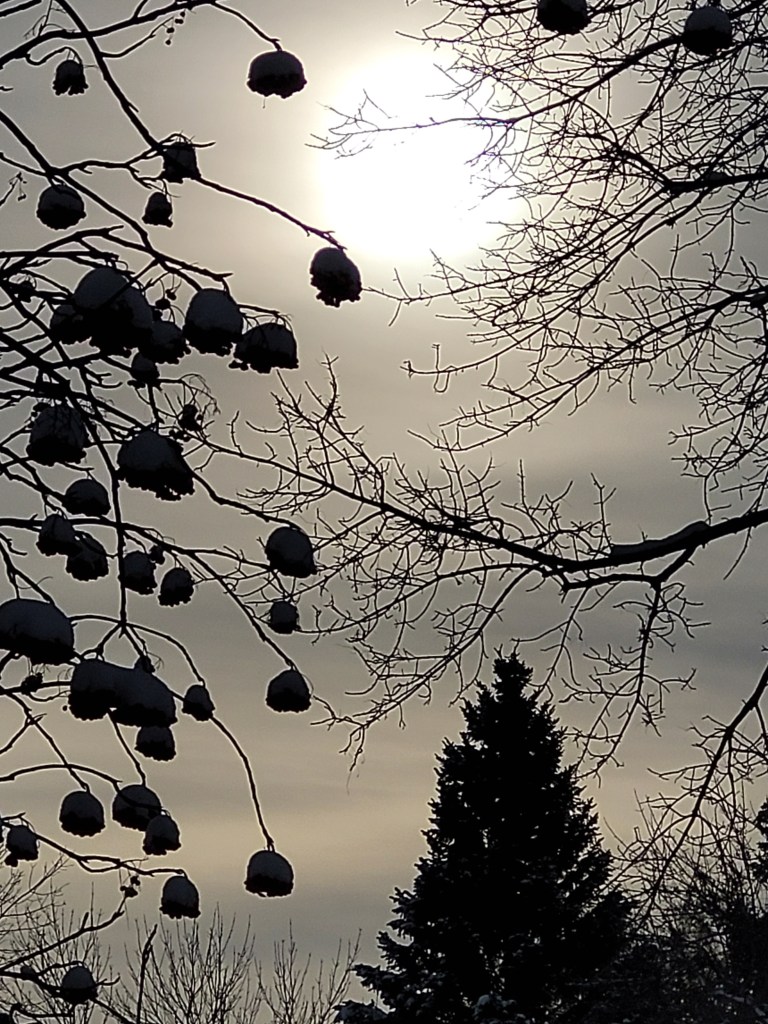
Friendships – like my self doubt, courage and insomnia – wax and wane. As the saying goes, they come for a reason, a season, or a lifetime. This and the analogy I’ve adopted – one of the astrological arrangements of stars and planets moving closer and then apart – help restore perspective. Given my nature, in those periods of waning and moving apart, I’ve found myself wondering “why?” In the absence of clarification, I’ve defaulted, sometimes distressingly, to a habit of mind cultivated in childhood that says, “I’m to blame.” That same childhood source of those triggers that get touched when I get close to another’s heart and they inadvertently say or do, or don’t say or do, and hit the target. When I do the same to another.
…Something in you knew
John O’Donohue, “For Someone Who Did You Wrong,” in To Bless The Space Between Us (2008)
Exactly how to shape it,
To hit the target,
Slipping into the heart
Through some wound-window
Left open since childhood.

With a child’s naiveté and cultivated by societal norms, I’ve believed in the possibility of, even yearned for a “bff” – that one girlfriend who, through thick and thin, over the ups and downs of life, would always be there. (But truthfully, when I consider my own life and its continuous unfolding, I’m not sure about it – except for Oprah and Gayle, perhaps.) Implied is a depth of trust and consistent connection which can be a displacement onto or substitute for what was missing in our earliest relationship with mother. Jungian analyst Marion Woodman writing about the “Death Mother” together with Daniela Sieff and Toko-pa Turner, and contemporary writer Bethany Webster on “The Mother Wound,” are each identifying an archetype arising from patriarchy with its pervasive damaging impacts for girls and women, and their relationships with self and other. I’ve felt deficient and heart broken when friends for whom I cared a great deal, loved even, despite efforts to make amends, broke up with me because I had hit their heart target. Even today, the memory is a tender ache.
…Meanwhile, you forgot,
John O’Donohue, “For Someone Who Did You Wrong,” in To Bless The Space Between Us (2008)
Went on with things
And never even knew
How that perfect
Shape of hurt
Still continued to work.

In relationships that matter to me, where the heart is touched, it’s the absence of clarification I’d find most troubling. It’s why I’d ponder for days and wake at 3:00 am to draft a letter. Muster the courage and allow myself to be vulnerable to enquire. I rest a bit easier now, in a solace knowing it might simply be a change in season, no longer the reason, that the planets have shifted. Why what was once close is not quite so, or any longer.
…Now a new kindness
John O’Donohue, “For Someone Who Did You Wrong,” in To Bless The Space Between Us (2008)
Seems to have entered time
And I can see how that hurt
Has schooled my heart
In a compassion I would
Otherwise have never learned.
I’ve said to friends who have mattered along the way, when you feel something is amiss between us, please don’t waste precious time, energy and sleep trying to figure out if it’s you or me, foolish or worthy of your attention. It’s most likely all true. So please bring it to the friendship so we can work on it together. Walk toward me for clarification, and deepen the connection. Please.
Or don’t. I’m learning to be OK with that choice, too.
…Somehow now
John O’Donohue, “For Someone Who Did You Wrong,” in To Bless The Space Between Us (2008)
I have begun to glimpse
The unexpected fruit
Your dark gift had planted
And I thank you
For your unknown work.
Much love and kindest regards, dear friends.




 A Wabi Sabi Life